
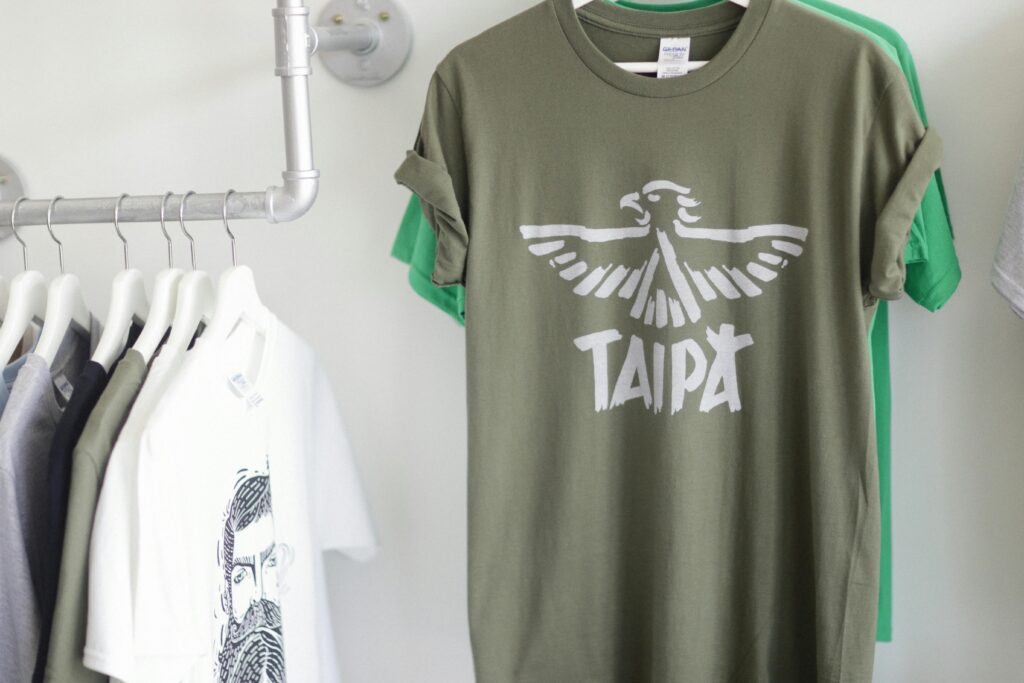
Dropping just $5 or $10 on a logo sounds like a no-brainer, right? You grab some clipart-style mark, slap it on a shirt, and call it done, and let me tell you, what actually arrives in your inbox, though, is regularly a totally different story. About 60% of those ultra-cheap Fiverr listings produce generic results that could belong to anyone’s brand. What this means is the real headache isn’t the cash you spend up front, it’s the bait-and-switch on file types and usage rights (at least in a lot of practical scenarios) that nobody mentions until checkout.
Key Point
- PNG files won’t cut it: you need vector formats like SVG or EPS for scaling prints, and those almost always cost extra at the $5 tier.
- Turnaround under 48 hours is standard, but no revisions means no fixes.
- Hidden fees for transparent backgrounds can push your actual spend to $35 or more.
- AI template tools like Placeit give you instant commercial rights, but every design is a remix of existing templates.
What Under-$10 Services Actually Deliver
Most buyers assume they’ll get a custom sketch for a ten dollar bill. You won’t. What you’re really buying is a template swap. Where a freelancer drops your business name into a pre-made symbol.
Market data confirms roughly 73% of entry-level Fiverr gigs rely on stock-based starting points. Which means a custom illustrator simply can’t eat on a $5 project.
The bigger issue nobody discusses? Vector files.
A basic $10 package usually hands you a flat JPG or PNG. That’s fine for a Facebook profile but useless for screen printing. Arguably industry analysis hints that raster images put together a pixelated mess past about 300 DPI on fabric. The data speaks for itself.
Getting a SVG or EPS export often adds $15 to $25 to your final invoice. Blowing past your original budget instantly. Which at the root drives the core point.
The Hidden Rights Problem
So, in plain English: blocksep matters. This catches most of us off guard. You pay for a design but don’t own it. Basic gigs rarely include a full commercial use license, — actually, hold on, meaning if your shirt side hustle actually takes off.
The original designer could legally dispute your right to profit from their work. Placeit and similar AI generators handle this differently. 95 includes commercial permission built-in.
The trade off? That same template gets reused by hundreds of other buyers.
Your “unique” logo isn’t unique at all.
Why This Can Kill A Shirt Brand
In practice, the dynamic changes slightly. Your logo sits right on someone’s chest.
That’s intimate real estate for a brand. If it looks like generic clipart, the perceived value of your shirt drops tricky, regardless of the fabric quality. Typical error: viewing a logo as a small checkbox instead of the primary trust signal on the garment.
Wait, this might sound like I’m trashing budget options completely. For a one-off event, maybe a family reunion or a local charity run, an AI-generated mark from Placeit works perfectly. But wait; there’s more to it.
The speed is instant, the files are download-ready. And nobody expects a custom identity for a weekend activity. For the most part, consider this: investing $100 to $300 in even a mid-tier designer pays for itself by upgrade number three. Kind of surprising, right?
The brand recall from a distinctive mark far outweighs the $10 you saved.
What Experienced Sellers Actually Do
They start with the AI tool for brainstorming. Generate 20 quick placeholders, pick a direction, then hire someone on Fiverr’s $50-$80 tier to refine that (though exceptions exist, naturally) concept into something original. This hybrid approach saves time.
And gets you a legit commercial-ready file set without template fatigue. Yet, you’re not really saving money by penny-pinching at the design stage.
You’re just delaying the cost. Most brands end up rebranding within the first year after starting with a $5 mark. In general, spending more in total than — actually, that’s not quite right, if they’d done it slightly better from day one.
Keep this in mind; it shows up again soon.
FAQs
Do I actually own a $5 Fiverr logo?
Usually not by default. The standard terms deliver a file but retain the designer’s copyright. You must explicitly check the gig includes a signed transfer of commercial rights; otherwise, scaling the shirt brand opens (a detail a lot overlooked) legal risk down the road.
Are AI logo makers safe for a clothing line?
Safe legally, yes. Placeit includes commercial usage with download. The concern is brand originality, due to the fact that the same template could appear on another apparel brand within days, diluting any distinct identity (and the data generally agrees) you’re building on the shelf